
Seasons & Episodes
MAGURO
The focus this time is on the king of fish, maguro. Witness the highlight of an auction site at Japan's largest market,
LEMONS
Lemons first came to Japan some 150 years ago, and have since been blended with Japanese citrus fruits to create brand-n
ONIONS
Onions are eaten throughout the world, but in Japan, they're cooked with original techniques and used in a variety of Ja
NATTO
This episode features natto, a fermented soybean product known for its powerful smell and sticky texture. Both economica
HIJIKI
Our focus today is hijiki, a variety of seaweed that has been consumed in Japan for over 1,000 years. Much like tea leav
MATCHA
Matcha is known worldwide as a popular ingredient in sweets. But originally, matcha is green tea leaves pulverized into
TOFU
This time, tofu. These popular white blocks, sometimes called the "meat of the fields," are high in protein and low in c
KAREI
The Karei is a type of flatfish beloved in Japan. Karei is great as sashimi, of course, but also simmered, grilled, deep
AJI
Today we focus on Aji, or horse mackerel, one of Japan's most popular types of fish due to it being both delicious and e
MANGO
Today, we focus on the king of fruit, mango. Though often thought of as a tropical fruit, they are also grown in Japan.
VINEGAR
This time, we dip into Japanese vinegar. There are many kinds of vinegar worldwide, like balsamic, wine, and malt. But i
EGGPLANT
Japanese eggplants vary in size, shape, flavor and more depending on the climate in which they're grown. In summer, peak
KANPYO
This episode focuses on Kanpyo -- a white, stringy, and noodle-like food unique to Japan that is actually peeled and dri
CHEESE
Over the years, Japanese cheese has evolved to win international prizes. It has a rich aftertaste and umami characterist
RICE
Japanese rice is known for its strong stickiness and sweetness. In Japan, where cooked rice is eaten without seasonings,
MIKAN
Today we focus on the most cultivated fruit in Japan, the mikan -- a palm-sized citrus fruit that is so soft and easy-to
HOKKIGAI
Hokkigai, or surf clam, has a special place in the hearts of the Japanese thanks to its thick meat, unique umami and nut
SOBA
This time, we dive deep into soba, Japan's iconic buckwheat, which is used to make soba noodles. Soba long supported the
NOZAWANA
Our focus today is Nozawana, a leaf vegetable indigenous to Japan. This one-meter-long vegetable is often pickled, as it
GINGER
Today we focus on ginger. Often grated, finely chopped or even pickled, ginger is an indispensable ingredient in Japanes
KOMATSUNA
Komatsuna is a spinach-like leaf vegetable from Tokyo that's been grown in the ward of Edogawa, facing Tokyo Bay, for hu
BURI
Today we focus on yellowtail, known as Buri in Japanese. Favored in winter when it contains a higher fat content, the fi
SHARK
Shark meat has been eaten in Japan since ages past. It's often used in old-school Japanese soul foods such as Oden. We v
BREAD
This episode focuses on bread, or "pan" in Japanese. The sheer variety of baked goods in Japan is astounding. Rolls and
MARLIN
Our focus today is marlin. These large fish known for their long, sharp bills were once a source of inspiration for the
SHIRAUO
Our focus today is Shirauo, often called noodlefish in English. These beautiful fish have tiny, transparent bodies that
STRAWBERRIES
Japanese strawberries are known for their large size and sweet flavor, and are mainly eaten fresh. We visit Tochigi Pref
KAMABOKO
Kamaboko is a traditional type of fish cake made from pureed white fish that can be steamed, grilled or deep-fried. It's
SAUCE
"Sauce." In Japan, this word refers to a rich, dark, bottled sauce sold in a number of varieties. Used on deep-fried foo
HONEY
Honey—the world's oldest sweetener. Japan being home to both the Western honey bee and the native honey bee makes for
PEAR
Japanese pears are large, round, juicy and have a great crunch. Chiba Prefecture, which neighbors Tokyo, is known as Jap
SATO-IMO
Sato-imo, eaten in Japan for some 3,000 years, is a type of taro, a root vegetable that grows in the tropics of Asia. Co
SESAME
Our focus this time is sesame. It's an indispensable part of Japanese cuisine, making the country a leading consumer. Wh
WASABI
Our focus this time is wasabi, the fiery root that is a pillar of Japanese foods like sushi and sashimi. Visit a traditi
PEANUTS
In Japan, peanuts are often eaten as-is, without flavoring or processing. That's because consumers want to taste the pea
TOGARASHI PEPPER
Some 200 varieties of Togarashi peppers are cultivated in Japan, most of which are dried and used as spices. We visited
CUTLASSFISH
Our focus today is cutlassfish. This shiny samurai sword of the sea has no scales and swims vertically. Our reporter vis
AZUKI BEAN
Azuki beans are often sweetened, simmered and used in Japanese sweets. Their red color is said to ward off evil, and the
FUGU
Our focus today is fugu, or pufferfish. As one of Japan's great winter delicacies, it is eaten as nearly-transparent sli
DAIKON
Daikon, Japanese radishes, are often over 30cm long, large and white, but there are also colorful types ranging from pin
WAGYU
In this episode on wagyu, discover meaty secrets with our American reporter, Kailene. Visit a long-established shop in G
SOY SAUCE
Soy sauce is key when it comes to the flavor of Japanese food. This time, we ask a specialist about the differences in c
ABURA-AGE
Abura-age, or deep-fried tofu, is an indispensable ingredient used in miso soup, udon and rice dishes. It's also been a
SENBEI
Our focus today is Senbei, a traditional cracker typically made of rice or wheat. If you can press it and grill it, you
SALMON
Salmon reigns in fish-loving Japan. It begins its life in a river, leaves for the vast ocean, and returns to spawn and l
SILKIE CHICKEN
Check out the Silkie chicken, once considered part of the recipe for longevity. It lays only about one egg a week, which
FURIKAKE
Today we focus on Furikake, rice's best friend. Invented by a pharmacist a century ago, it was originally intended as a
NEGI
Don't forget Negi when chowing down on sukiyaki, udon or ramen. Spicy when raw and sweet when cooked, it's been an indis
SWEET POTATO
The sweet potato - a popular winter treat in Japan that varies in texture and sweetness. Individual characteristics dete
MOCHI
Today we focus on mochi rice cake, an indispensable part of Japanese New Year's celebrations. It's offered to the gods a
BANANAS
Bananas - a tropical fruit also grown in Japan. Technological advancement has allowed their cultivation in snowy areas.
BEAN SPROUTS
Bean sprouts are harvested all year and have long been a favorite addition to a healthy diet. All they need is water to
CHOCOLATE
Japan is third behind Germany and the UK in terms of chocolate consumption. It's also home to the second-largest number
NORI
Nori seaweed is an indispensable Japanese ingredient. Its flavor is influenced by elements from the sea as well as the n
AME
Ame – Japanese candy – is seemingly simplistic sugar candy that can be found in a variety of flavors, textures and s
TSUKEMONO
Tsukemono, or Japanese pickles, have come a long way from being just a simple dish paired with rice. They're made using
SAKE
See brewers in action at a 300-year-old brewery, and sing along to a traditional tune that ensures a successful batch. W
NERIMONO
Discover Nerimono, traditional ingredients made by processing ground fish meat. A product of age-old wisdom, the food al
TAKENOKO
Takenoko, or bamboo shoots, are the flavor of spring. Our reporter Janni is put to work on a steep grove where skill and
SHIRASU
Silvery-white Shirasu, or baby Japanese anchovies, are caught along Japan's coasts in the spring and fall. Find boiled a
SAZAE
We focus on Sazae, or turban shell sea snails. Japan is no stranger to shellfish, but consumption of Sazae dates back mi
CABBAGE
Affordable and voluminous, cabbage is the star of the Japanese dinner table. The all-purpose veggie is great raw or cook
JAPANESE TEA
Dip into the vibrant world of Japanese tea to sample different aromas and flavors at a specialty shop. At a tea farm usi
SALT
Salt isn't just an ingredient in Japan, it's used for purification rituals in sumo and at temples and shrines. It all st
SAKURA
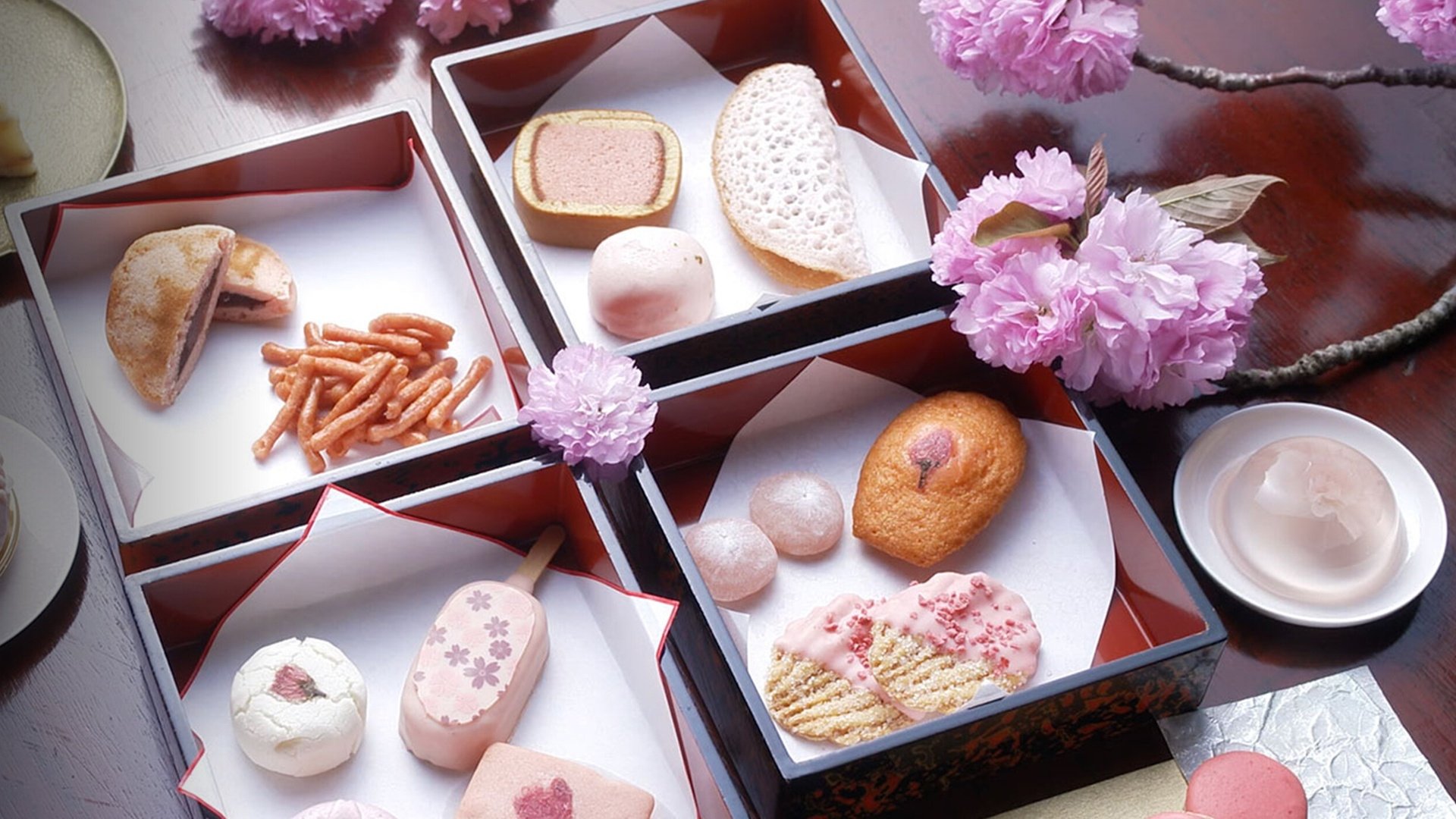
Sakura—the beloved cherry blossoms that symbolize the coming of spring in Japan. More than just eye candy, the blossom
WATERMELON
Eating sweet, refreshing watermelon is a popular way to combat the summer heat. In Japan, seasonal festivities wouldn't
GOYA
The spotlight is on goya, also known as the bitter gourd. A star of Okinawa Prefecture, the summer vegetable is now grow
MAITAKE
Maitake are popular mushrooms packed with aroma and umami. Their uniquely firm texture is perfect for tempura and stir-f
JAPANESE CHESTNUT
Japanese chestnuts are known for their hearty texture, subtle sweetness, and size! Ones from Obuse are especially large.
GINKGO NUTS
Darwin called ginkgo trees living fossils. In fall, they offer a fun splash of yellow to the colorful landscape. Today,
FIG
Delicate and easy to spoil, figs are often sold dry. But in Japan, raw consumption is growing ever more popular. An orch
SABA
Our saba journey begins at Tokyo's Toyosu Market. We then visit Kyoto Prefecture for some festival food that remains a k
HORSEHAIR CRABS
Horsehair crabs — the ones covered with tiny hairs. The high-end crustacean is loved for its sweet, delicate meat and
KAKI
Kaki, or Japanese persimmons, represent fall in Japan. Introduced to Europe in around the 16th century, the fruit is ref
SHIITAKE
Shiitake — the star Japanese mushroom known for its strong umami. Visit a farmer who uses centuries-old cultivation me
SERI
Seri, in season from winter to spring, was a key source of nutrition during harsh winters when produce was scarce. It gr
WASANBON
In Japan, there's a type of sugar for nearly any recipe. Among them, wasanbon is perhaps the most precious, as it's prod
SOMEN
Somen: these traditional Japanese noodles are amazingly thin and white. Japan has many noodles, like soba, udon and rame
KUZU
Kuzu plays a key role in Japanese cuisine, from savory to sweet. The starch can be mixed in hot water to form a clear je
YOMOGI
Yomogi speckles the fields and roadside greenery of the spring season. Used in various dishes, from savory to sweet, the
HIMONO
Himono, or dried fish, is a product of Japan's long history as an island nation blessed with seafood. Armed with wisdom
YUBA
Yuba is the thin film that forms when soymilk is heated. It's rich in protein and nutrients and is essential in Buddhist
HOYA
The hoya, or sea pineapple, is one of the ocean's hidden delicacies. Protected by a hard shell, the marine animal's meat
BUTTER
Butter in Japan is typically unfermented. This allows the characteristics of the raw milk it's produced from to shine th
JAPANESE MUSTARD
Japanese mustard, or karashi, is an essential condiment for tonkatsu pork cutlets, the stewed dish known as oden, and ma
JAPANESE CURRY
Curry in Japan mainly comes as a thick sauce poured over white rice. With the development of roux cubes, curry rice beca
FUKUSHIMA: FRUIT KINGDOM
Fukushima Prefecture has two mountain ranges and three differing climates, allowing a variety of fruits to grow. Areas f
WAGASHI
Wagashi, or traditional Japanese sweets made with unique ingredients like bean paste and agar jelly, are little works of
NODOGURO
Nodoguro, characterized by red scales and large eyes, is a fatty, umami-packed fish. Starting out on regional dinner tab
JAPANESE GIN
Gin, the popular fragrant spirit made from juniper berries, is experiencing a global "craft" boom. Expert distilleries a
SAITAMA WHEAT
Saitama Prefecture, next to Tokyo, is known for its wheat cultivation and as an udon noodle kingdom. We explore Saitama'
APPLES
Nagano Prefecture in central Japan gets long sunlight hours and large temperature drops between day and night. This make
GOBO
Japan is likely the only country to have incorporated gobo, a root vegetable, into its diet on such a wide scale. Witnes
KIWI
The key to tasty kiwi is a ripening process that takes place after harvest. Discover new varieties being developed in Ka
PANKO
Known to the world as panko, Japanese breadcrumbs are made by breaking apart fresh loaves of bread. Experience Japan's c
CARROT
Japan has a number of carrot varieties resulting from selective breeding. Discover carrots grown beneath the snow and sa
KOYA-TOFU
Koya-tofu: a freeze-dried food made from tofu. It absorbs flavors like a sponge, making it ideal for a huge variety of d
MENTAIKO
Mentaiko is cured and spiced pollock roe, with a deep flavor provided by kombu and katsuobushi broth. Discover the secre
FUKINOTO
Fukinoto signals the coming of spring. Shaped like a lovely bouquet, the mountain veggie offers a stimulating bitterness
WAKASAGI
Wakasagi—small, 10-cm fish—are the star of Japan's winter fishing season. Drill holes in an icy lake for some line f
ISE-EBI
Ise-ebi is the king of Japan's crustaceans. With its elegant flavor and warrior-like appearance, the high-end food is a
NISHIN
Schools of nishin, or Pacific herring, enter Japan's cooler northern waters in spring. Once a lucrative part of local ec
SPRING OYSTERS
Spring oysters, packed with umami before spawning, have been attracting attention in recent years. We visit Hiroshima Pr
MELON
Japanese melons are known to be juicy and intensely sweet. Their beautiful netting patterns indicate careful cultivation
RAKKYO
Pungent, aromatic rakkyo is grown in Tottori Prefecture, a major production area famous for sand dunes. See how farmers
ASPARAGUS
Asparagus brings a pop of color to early summer, and increasing demand is promoting a bevy of new varieties. Witness cut
ENOKI
Enoki are the most produced mushrooms in Japan. The thin, white mushrooms are a staple ingredient in hot pot dishes. Che
SHISO
Shiso: a Japanese herb gaining fans worldwide. Refreshing shiso is key in Japanese cuisine, which features a lot of raw
OCTOPUS
Is octopus a superfood? Enjoy traditional fishing and dishes in Akashi, a major production area. Also, see how low-fat,
RICE FLOUR
Rice flour is attracting global attention. After using it for ages to make sweets, Japan employs the latest milling tech
TOMATO
Tomatoes offer great umami—something that's key in Japanese cuisine. Japan is home to some 300 varieties where novel c
EDAMAME
World-famous edamame are soybeans harvested before maturity. They're great simply boiled and seasoned with salt, but che
KUE
Kue is a large deep-sea fish that's quite elusive, but its superb flavor keeps people begging for more. Savor unique dis
KABOCHA
Kabocha, or squash: over 160 types are grown in Japan, many of them native. Visit passionate farmers across the country,
TOFU
Visit specialty tofu makers across Tokyo that are deeply rooted in their local communities and see how the traditional f
Pear
Japan's pears are a thing of juicy-sweet luxury thanks to strict quality control and unique ripening methods. See how th
Turnip
Turnips are a versatile ingredient that sparks the imagination of skilled chefs. Visit Japan's largest turnip production
Mirin
Mirin, or sweet sake, is just as important in Japanese food as soy sauce or miso. It adds sweetness, depth and a lovely
Kiriboshi Daikon
Kiriboshi daikon—daikon radish that's cut and sun-dried to preserve it. Both tasty and nutritious, it's gaining tracti
Broccoli
Broccoli is still a relative newcomer to Japan, but has become a staple ingredient in Japanese households. Explore brocc
Spear Squid
In squid-loving Japan, spear squid is immensely popular. Tag along with fishers in Hokkaido and savor some regional cuis
Strawberries
Japanese strawberries stand out with a perfect sweet-sour balance and stunning looks. Join us in Fukuoka for some dazzli
Eggs
Unique Japanese egg dishes like raw egg over rice are a hit with inbound tourists. Visit farms that produce eggs safe to
Pineapple
Pineapples are grown on Japan's southern islands, the northernmost limit of their cultivation. New varieties continue to
Asari
Introducing asari, Japan's most popular clam. Visit Aichi to feast your eyes on asari dishes and see how they're cultiva
Nira
Nira, with its garlic-like pungency and ability to boost stamina, is a true star. Visit a production site to marvel at n
Garlic
Japanese garlic is big, with sweetness and umami. In Aomori, we explore what makes it special, take a closer look at bla
Hamo
Hamo, the pike conger with a fierce look, is deeply tied to Kyoto's food culture. Explore impressive bone-cutting techni
Eggplants
Eggplants—nasu—take the spotlight. Enjoy juicy mizu-nasu and melt-in-your-mouth Kamo-nasu. From traditional shojin r
Peaches
Peaches take the spotlight. From June to October, new varieties appear every two weeks, letting people enjoy them for mo
Amazake
Amazake, a traditional fermented drink made from rice and koji, is rich in nutrients, with a mild sweetness that enhance
Okra
Okra has only been widely eaten in Japan for about 60 years, yet new, stickier varieties keep appearing to suit Japanese
Walnuts
Walnuts have long been valued in Japan. In a major production area, join a wild harvest using bamboo poles and recreate
Nameko
Nameko are small mushrooms known for their slippery coating. Learn about indoor and natural log cultivation, then visit
Sanma
Each autumn, sanma takes center stage across Japan. Kyle visits a bustling port to explore its traditions, then meets a
Wagyu
Wagyu captivates food lovers worldwide with fine marbling, melt-in-the-mouth texture, and rich aroma. Join us as we expl
Hakusai
Hakusai, or Chinese cabbage, is a winter staple in Japan. Discover unique farming and harvesting techniques, and see its
Japanese Yams
Japanese yams are a traditional ingredient loved for their sticky texture. Experience a harvest using heavy machinery to
Cod
In icy Aomori, we join a cod fishing boat and sample local dishes using even the skin and innards. From rock-hard dried
Japanese Oils
Oils shape Japan's food culture, where households choose from a wide range of oils to suit each dish. This episode explo
Wakame
Wakame, one of Japan's most popular types of seaweed, takes us to Sanriku in Miyagi Prefecture. Experience harvesting gi
Red Sea Bream
Red sea bream, with its beautiful red color, has long been prized in Japan as a symbol of good fortune. Explore advanced
Peas
Peas shine at every stage of growth, from shoot and pod to full-grown. Enjoy home cooking, Edo-style sweets, and elegant
Onion
Introducing "New onions," in season in spring, and other onions on Awaji Island, one of the nation's leading production
Popular Cast
Related TV Series

Nature

How the Universe Works

Through the Wormhole

Anthony Bourdain: Parts Unknown

The Crocodile Hunter

Prehistoric Planet

Earth at Night in Colour

How It's Made

Natural World

Mysteries at the Museum

Gordon Ramsay: Uncharted

Quarterback

Planet Earth III

Horizon

Dynasties

MegaStructures

Down to Earth with Zac Efron

NOVA

30 for 30